- Leave work after work
Imagine you’re just about to leave your workplace, possibly for cocktails at TGI Fridays, even though it’s actually Tuesday. What does that mean? “Take a slow breath and acknowledge that you’ve left. If you can’t do that at the office door, when you’re getting a train or bus and the door closes, imagine that’s the end of your working day. Or if you’re in your car, sit at the wheel for a short while before you start the engine.”
Closure is a big theme among those offering tips to a healthy work-life balance: the Mental Health Foundation says that if you do happen to take work home with you, you should try to confine it to a certain area of your home – and be able to close the door on it.
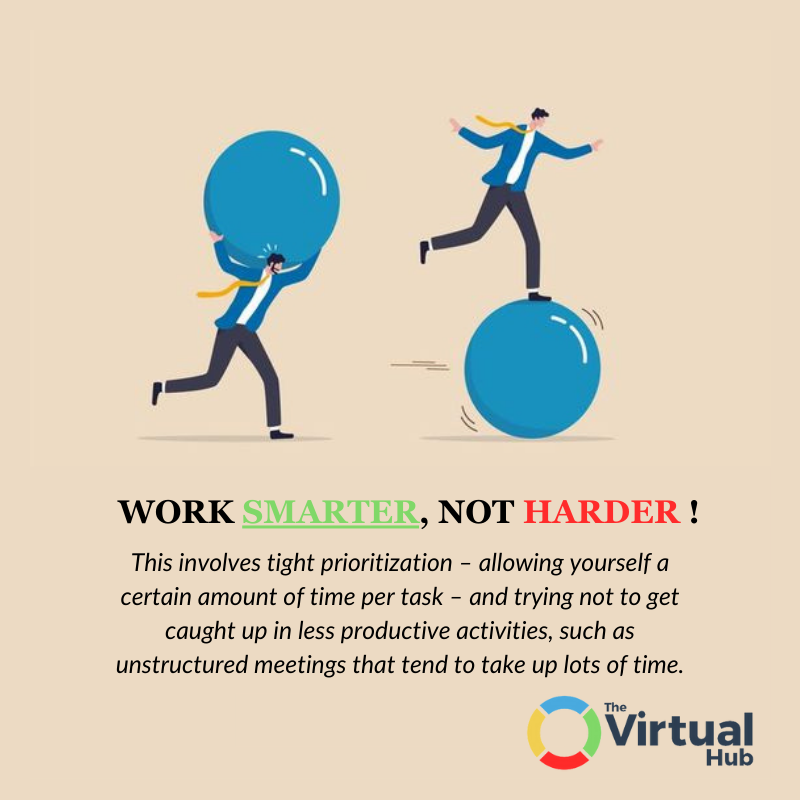
2. Work smarter, not harder
These days they call it sleep hacking – training your mind and body to need less sleep. But that trend is all wrong, argues US academic Matt Might in his work-life balance blog.
In its advice on work-life balance, the Mental Health Foundation counsels: “Work smart, not long.” What does that mean in practice? “This involves tight prioritisation – allowing yourself a certain amount of time per task – and trying not to get caught up in less productive activities, such as unstructured meetings that tend to take up lots of time.” We’ve all been there, wishing we weren’t stuck in the same room as a bunch of fatuous blowhards – or, as Michael Foley puts it in his superb book The Age of Absurdity, “the colleagues who speak at length in every meeting, in loud confident tones that suggest critical independence, but never deviate from the official line”.
3. Set your own Rules
“You really need to find your own work-life balance, probably with the help of others,” says Allen. “The important thing is to ignore the shoulds – the shoulds that comes from other people or from you internalising others’ mindsets. You have to rely on your own intuition.”
We are witnessing a generational shift in our attitudes to work. Millennials (those born after 1980) are more likely than their elders to blur the lines between work and home.