Introduction
Managing a virtual assistant is not simply about assigning tasks and waiting for results. Remote teams require intentional communication because the informal conversations that naturally happen in an office are no longer available. The right communication rhythm creates clarity, accountability, and connection without turning into micromanagement.


Why Remote Communication Needs to Be Intentional
In a physical office, communication often happens naturally through quick conversations, questions, and informal feedback. With a remote team, that same connection cannot be assumed. Leaders need to create a communication flow that gives their VAs clear opportunities to ask questions, share updates, and raise concerns.
The goal is not to constantly check on a VA. Instead, leaders should build an intentional rhythm that keeps the team connected and aligned. When communication drops, initiative and confidence can also drop, especially when a VA is unsure whether their work is meeting expectations.

The Risks of Too Little Communication
Silence can be easy to misread in a remote environment. A quiet VA may not necessarily mean that everything is going well. They may be second-guessing their work, feeling disconnected, or trying to solve a blocker alone.
- Confusion about expectations
- Second-guessing whether work is on the right track
- Reduced initiative when feedback or encouragement is missing
- Disconnection from the leader or wider team
- Problems that remain unnoticed until they become harder to resolve
Proactive communication helps leaders create conditions where problems can be identified earlier instead of waiting for something to go wrong.
Build Communication Lanes
Communication is not only about how often you talk; it is also about how you communicate. A remote team can reduce confusion by deciding which channel is appropriate for different types of communication.
| Communication Type | Appropriate Use |
| Slack | Quick updates |
| Asana | Task-specific actions |
| Call | Clarification or decisions |
| Video or screen share | Complex instructions |
The same principle applies to written messages. If a message needs a response, make the request clear. If an issue is complicated, talking through it may be more effective than sending a long message that could be misunderstood. Clear communication creates clarity without unnecessary control.
Design the Right Meeting Rhythm
Once communication lanes are established, the next question is when to communicate. The podcast does not recommend one universal schedule for every VA. The rhythm should support the role and the needs of the working relationship.
A practical daily huddle
One example from the podcast is a short 10–15 minute daily huddle. The meeting stays focused by asking three questions:
- What did you accomplish yesterday?
- What is your main focus today?
- Are you blocked or stuck on anything?
This type of check-in creates a predictable space for accountability, alignment, and early support without turning the meeting into a long status update.
Match the rhythm to the role
Different roles may need different levels of contact. A role that changes quickly may benefit from more frequent communication, while another role may work well with a weekly planning session and additional check-ins when needed. The important point is that the rhythm should support the work rather than exist simply because meetings are on the calendar.


Your Communication Rhythm Should Evolve
A communication rhythm should not remain fixed forever. Early in a VA relationship, more frequent contact can help build trust, align expectations, and establish how both people work. As the relationship becomes more established, the rhythm may change.
- New VA → More frequent communication while trust and expectations are being established
- Established relationship → Potentially fewer formal check-ins with appropriate updates in between
- Problems appear → Temporarily increase communication to re-establish clarity and alignment
Regularly review whether the current rhythm is working for both sides. If misunderstandings, missed tasks, or communication gaps start appearing, that may be a signal to adjust the rhythm rather than simply blaming performance.

Create an Escalation System
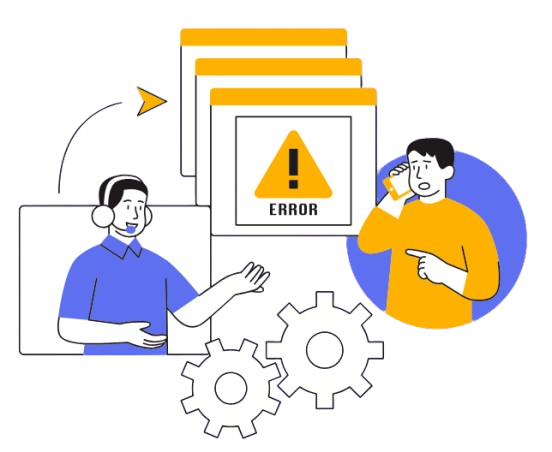
Not every issue should interrupt the leader immediately. At the same time, genuinely urgent problems need a clear escalation path. Remote teams work more confidently when everyone knows what requires a normal update, what needs discussion, and what requires immediate attention.
- Normal issue → Use the normal communication channel
- Needs discussion → Schedule a conversation
- True urgency → Use the agreed immediate escalation method
The podcast illustrates this with the “Bat Signal”: a dedicated way to communicate when something is truly time-sensitive and cannot wait. The value of the system is not the specific tool; it is the clarity around what qualifies as urgent.

Leadership Means Showing Up Consistently
Effective remote leadership is not about being constantly available or monitoring every task. It is about creating a dependable communication structure and consistently participating in it. Even a short check-in can reinforce that the team is connected, supported, and aligned.
The podcast’s broader message is that clarity is a leadership tool. Written follow-ups, clear expectations, and consistent communication help prevent assumptions and create a record that supports accountability and handovers.

Final Takeaway
The goal is not to communicate constantly. The goal is to make communication intentional, clear, and consistent enough that your VA knows what is expected, where to ask for help, and when to escalate an issue.
If you are unsure whether your current communication rhythm is working, start by asking three questions: Do we have a clear rhythm? Do we know when and how to escalate issues? Are we designing communication or simply reacting to problems? From there, adjust the system based on what the role and working relationship require.
Source Note : This blog draft was developed from the provided podcast transcript, “How Often Should I Talk to My VA?” The content was paraphrased and structured into a blog format rather than copied directly from the transcript.

TVH: OP Training
Proudly powered by WordPress