
Managing a virtual assistant successfully is not just about assigning tasks — it’s about building communication systems that create clarity, trust, and alignment.
In a recent episode of Virtual Team Success, Matt and Potts explored one of the most misunderstood questions in remote leadership:
“How often should I talk to my VA?”
The answer is simple: probably more than you currently are.
But frequency alone is not enough. Effective remote communication requires intentional rhythms, structured systems, and proactive leadership. This blog breaks down the key lessons from the episode and explains how business owners can create stronger, more connected virtual teams.

Why Communication Matters More in Remote Teams
In a physical office, communication happens naturally through conversations, quick updates, and spontaneous interactions. Remote work removes those moments.
Without intentional communication, virtual teams can quickly experience:
- Misalignment
- Confusion
- Isolation
- Reduced initiative
- Delayed problem-solving
As Potts explained in the episode, silence often creates uncertainty. Team members may hesitate to ask questions, second-guess priorities, or avoid escalating problems because they do not want to interrupt their manager.
Remote leadership requires proactive communication — not reactive communication.

The Biggest Mistake Leaders Make With Virtual Assistants
One of the most common mistakes business owners make is treating their VA like a task processor instead of an integrated team member.
This usually looks like:
- Sending tasks without context
- Disappearing for long periods
- Providing little feedback
- Assuming silence means success
Over time, this creates emotional and operational distance.
Why Silence Is Dangerous
When communication drops:
- Confidence drops
- Initiative drops
- Collaboration drops
Virtual assistants often shift into “mistake avoidance mode” instead of proactive contribution.
Strong leaders create regular touchpoints that keep communication active and predictable.
Build Communication Lanes Instead of Communication Chaos
Matt and Potts emphasized that communication should be structured intentionally.
Not every message belongs in the same channel.
Example Communication Lanes
| Communication Type | Best Tool |
|---|---|
| Quick updates | Slack |
| Task instructions | Asana |
| Complex discussions | Video call |
| Visual walkthroughs | Screen recordings |
This structure reduces confusion and helps remote teams understand:
- Where information belongs
- What requires immediate attention
- What response is expected
Clarity Beats Micromanagement
The goal is not constant supervision.
The goal is:
- Clear expectations
- Organized communication
- Faster alignment
- Reduced misunderstandings
A well-designed communication system creates freedom, not restriction.
The Power of Communication Rhythms
One of the strongest insights from the episode was the idea of designed communication rhythms.
Successful remote teams communicate consistently instead of randomly.
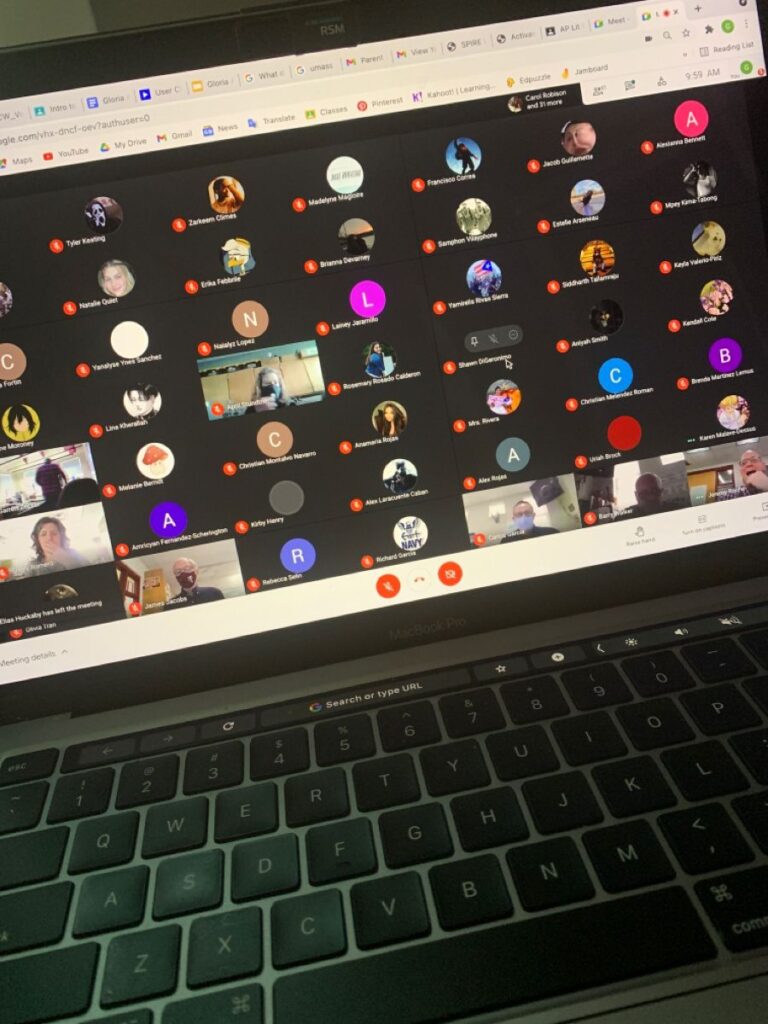
Daily Huddles
Matt shared how daily 10–15 minute huddles helped keep teams aligned.
These meetings focused on three questions:
- What did you complete yesterday?
- What are you working on today?
- Are you blocked on anything?
Why This Works
Short daily check-ins:
- Surface problems early
- Reduce isolation
- Improve accountability
- Strengthen team connection
- Keep priorities visible
The rhythm becomes the “heartbeat” of the team.

Create Clear Escalation Systems
Potts introduced a simple but powerful concept called the “Bat Signal.”
The idea:
- Most communication follows normal processes
- Truly urgent situations follow a separate escalation path
For example:
- Slack for standard updates
- Text message for emergencies
Why Escalation Systems Matter
Without clear escalation rules:
- Employees hesitate
- Problems grow larger
- Leaders become bottlenecks
Defined urgency categories remove uncertainty and empower VAs to communicate confidently.
Communication Styles Should Evolve Over Time
Communication rhythms should not remain static forever.
As trust grows:
- Daily meetings may become weekly
- More async communication may work
- Team autonomy may increase
However, leaders should regularly reassess communication effectiveness.
Questions Leaders Should Ask
- Are misunderstandings increasing?
- Are projects slowing down?
- Does the team feel disconnected?
- Are priorities consistently clear?
Sometimes teams need to temporarily return to more frequent check-ins to rebuild alignment.
That is not failure — it is recalibration.
There Is No Such Thing as Overcommunicating in Remote Teams
One of the most important lessons from the episode was this:
Most remote team problems come from assumptions, not incompetence.
Misunderstandings happen when expectations are unclear.
High-performing virtual leaders:
- Repeat important information
- Document decisions
- Clarify ownership
- Confirm understanding
- Follow up consistently
Clear communication is not micromanagement.
It is leadership.

Final Takeaway
If you are asking yourself how often you should talk to your VA, the better question is:
“Have I created a communication system that keeps my team connected, supported, and aligned?”
Strong remote teams are not built through constant meetings or endless messages.
They are built through:
- Consistency
- Clarity
- Intentional rhythms
- Human connection
- Proactive leadership
When communication becomes part of your operating system, your virtual team becomes stronger, faster, and more confident.